About 16 minutes
Untechnological Employment — Context and Discussion
Social Speculation
3,579 recorded words. Selected by the catalog's stored reading-time estimate.
View Gutenberg source #23147
Explore this collection
Three of the shortest recorded reading commitments in this catalog. Times are estimates, not quality ratings.
About 16 minutes
Social Speculation
3,579 recorded words. Selected by the catalog's stored reading-time estimate.
View Gutenberg source #23147About 18 minutes
Social Speculation
3,982 recorded words. Selected by the catalog's stored reading-time estimate.
View Gutenberg source #21541About 18 minutes
Space Future
3,967 recorded words. Selected by the catalog's stored reading-time estimate.
View Gutenberg source #26521Search stored excerpts and compare books → Choose by your preferences →
Choices use stored catalog measurements. Estimates vary with reading speed. A shared category is a catalog label, not a claim that two books have the same argument or literary quality.
Search reads excerpt text stored with this catalog and links to its associated Gutenberg record. The connection is stored in the site database; this tool does not recheck that every excerpt is word-for-word identical to that external record. Excerpt search does not cover every chapter and does not verify historical publication dates.
Catalog snapshot checked: 2026-09-26. Coverage: 96 public books, 96 available source excerpts.
Independent digital catalogue
This catalogue indexes 96 public-domain science fiction works by 102 authors, organized into four thematic categories: Space Future, Machines Invention, Other Worlds, and Social Speculation. Rather than a simple alphabetical list, the categories group texts by their central concerns: voyages and encounters beyond Earth, the promises and perils of technology, alternative realities, and speculative social arrangements. A practical way to enter the collection is to start with a question—such as 'What might life on Mars be like?'—and browse the corresponding category. Alternatively, sample one work from each category to grasp the breadth of early science fiction. All listed texts are freely available for reading and download.
Browse the catalogue
Move through the collection by subject, historical setting and type of source.
A focused group of public-domain works connected by subject, historical context and recurring questions across the collection.
A focused group of public-domain works connected by subject, historical context and recurring questions across the collection.
A focused group of public-domain works connected by subject, historical context and recurring questions across the collection.
Works examining social customs, public institutions, biographies and everyday life in their historical settings.
A concise group of works selected to introduce the subjects, source types and historical questions represented in this catalogue.
Recently added catalogue records, listed with author information, thematic placement and links to the available work pages.
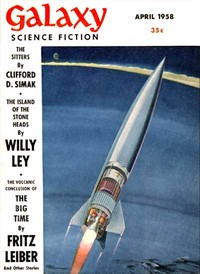
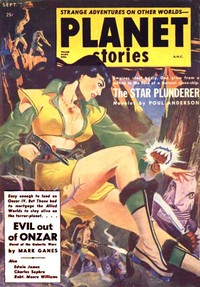
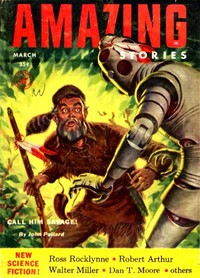
Catalogue questions
How the collection is organized, presented and corrected.
Public-domain status generally means that a source text is no longer protected by copyright in the relevant jurisdiction or has been released for public use. Rights status can vary by country and edition.
Catalogue records organize the author, title, edition and source information available for each work. Source links are provided where they are available.
Works are grouped according to their main subjects, historical setting, source type and their relationship to other records in the collection.
The catalogue provides organization and editorial context. Original source texts retain their own wording, edition details and rights status.
Use the contact page to report an attribution, metadata, category or source-link issue. Include the title and the specific detail that may require correction.
Editorial responsibility
Catalogue information
This catalogue is organized using source attribution, bibliographic metadata, subject-based categories, and supplementary contextual notes. Submitted corrections may be used to update catalogue records.
Catalogue explorer
Browse existing collections, books and author records through several catalogue routes.